
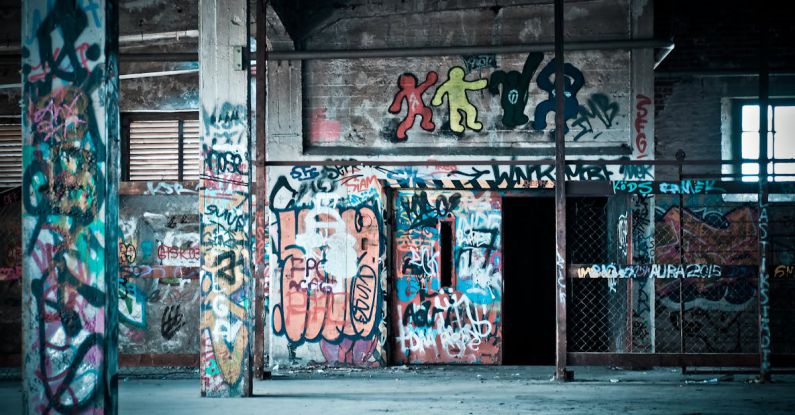
From bustling city streets to quiet alleyways, street art has the power to transform mundane public spaces into vibrant cultural landmarks that captivate both locals and tourists alike. The rise of street art as a legitimate form of artistic expression has sparked debates and discussions about its impact on urban environments. Advocates argue that street art adds character and vibrancy to otherwise dull spaces, while detractors view it as nothing more than vandalism. In this article, we delve into the question of whether street art has the potential to reshape public spaces and elevate them into cultural landmarks.
The Evolution of Street Art
Street art has come a long way from its origins as illicit graffiti on urban walls. What was once considered an act of rebellion and defiance against authority has now evolved into a recognized art form that encompasses a wide range of styles and techniques. Street artists around the world use public spaces as their canvas to convey powerful messages, evoke emotions, and spark conversations. From murals depicting social issues to intricate stencil art that challenges societal norms, street art has the ability to provoke thought and inspire change.
Transforming Urban Spaces
One of the most significant impacts of street art is its ability to transform drab and uninspiring urban spaces into vibrant cultural hubs. Blank walls and dull facades are given a new lease on life as artists use their creativity to breathe color and energy into these spaces. By incorporating elements of local culture, history, and identity into their artworks, street artists create pieces that resonate with the community and forge a sense of belonging.
Street art has the power to turn a nondescript alleyway into a bustling tourist attraction or a rundown building into a must-see destination. In cities like Berlin, Melbourne, and New York, street art has become a major draw for visitors seeking to explore the vibrant artistic landscape of these urban centers. Tourists flock to these cities not only to see famous landmarks but also to discover hidden gems tucked away in alleys and side streets, showcasing the transformative power of street art on public spaces.
Fostering Community Engagement
Beyond its aesthetic appeal, street art plays a crucial role in fostering community engagement and pride. Public art projects that involve local residents in the creation process can strengthen community bonds and instill a sense of ownership over public spaces. When communities are actively involved in the planning and execution of street art initiatives, they are more likely to value and protect these artworks, thus contributing to the preservation of cultural landmarks in their neighborhoods.
Moreover, street art has the ability to spark dialogue and promote social change. Artists often use their work to address pressing issues such as environmental degradation, social inequality, and political unrest. By bringing these topics to the forefront through their art, street artists encourage viewers to reflect on these issues and take action to create positive change in their communities.
Preserving Cultural Heritage
In addition to creating new cultural landmarks, street art has the potential to preserve and celebrate existing cultural heritage. In some cities, street art is used as a means to showcase the rich history and traditions of local communities. Murals depicting iconic figures, traditional symbols, and historical events serve as visual reminders of the cultural legacy that defines a place.
By incorporating elements of cultural heritage into their artworks, street artists contribute to the preservation and promotion of local traditions, ensuring that future generations have a tangible connection to their roots. In this way, street art acts as a dynamic form of storytelling that breathes new life into old narratives and keeps cultural heritage alive in the public consciousness.
In conclusion, street art has the remarkable ability to transform public spaces into cultural landmarks that reflect the identity, values, and aspirations of a community. Through its power to engage, inspire, and provoke, street art has the potential to reshape urban environments and leave a lasting impact on those who experience it. By embracing street art as a legitimate form of artistic expression, cities can harness its transformative power to create vibrant, dynamic, and culturally rich public spaces that resonate with residents and visitors alike.