
Urbanization is a global trend that continues to reshape the landscape of cities worldwide. As urban populations surge, the demand for resources, particularly food, also escalates. This has prompted the exploration of innovative solutions to ensure sustainable food production within urban environments. One such solution that has gained traction in recent years is vertical farming. The concept of growing crops in vertically-stacked layers offers a promising approach to address the challenges of limited space and resources in urban areas. However, the question remains: Can vertical farming truly integrate with urban infrastructure to create a more sustainable food system?
**The Rise of Vertical Farming**
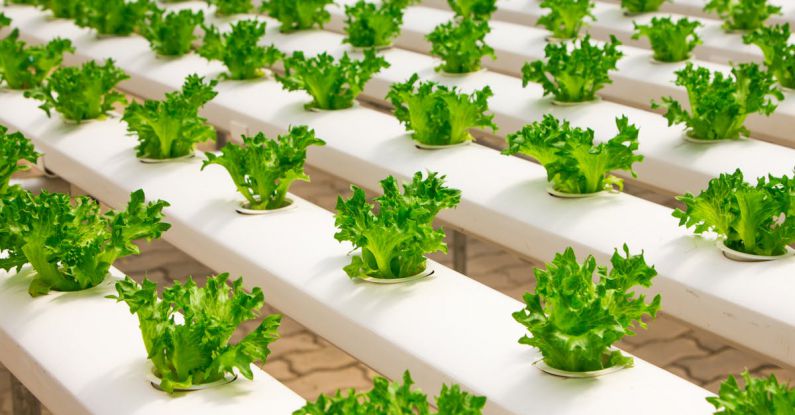
Vertical farming has emerged as a modern agricultural practice that leverages technology to cultivate crops in controlled indoor environments. By stacking growing beds vertically, vertical farms optimize space utilization and reduce the need for vast expanses of land typically required for traditional farming. Additionally, these indoor farms utilize hydroponic or aeroponic systems to deliver nutrients to plants, eliminating the need for soil and minimizing water usage compared to conventional farming methods. The controlled environment also allows for year-round production, independent of external weather conditions.
**Challenges of Urban Agriculture Integration**
While the concept of vertical farming holds immense potential, integrating it into existing urban infrastructure poses several challenges. One of the primary concerns is the high initial investment required to set up and operate vertical farms. The cost of specialized equipment, lighting systems, and climate control mechanisms can be prohibitive for many urban areas, especially those with limited financial resources. Additionally, the energy consumption of vertical farms, particularly the artificial lighting needed for plant growth, raises questions about the sustainability of this farming method.
**Environmental Benefits of Vertical Farming**
Despite the challenges, vertical farming offers a range of environmental benefits that make it an attractive option for urban agriculture integration. By minimizing the need for transportation of produce from rural areas to cities, vertical farms reduce carbon emissions associated with food distribution. Furthermore, the controlled environment of vertical farms enables precise monitoring of water and nutrient usage, leading to higher resource efficiency compared to conventional farming. These environmental advantages align with the growing focus on sustainability and climate resilience in urban planning and development.
**Symbiosis with Urban Infrastructure**
The successful integration of vertical farming with urban infrastructure hinges on establishing symbiotic relationships between these systems. Urban planners and policymakers play a crucial role in facilitating this integration by incorporating vertical farming into city planning processes. By designating spaces for vertical farms within urban areas, cities can promote local food production and enhance food security for residents. Moreover, retrofitting existing buildings with vertical farming systems can repurpose underutilized spaces, contributing to the revitalization of urban landscapes.
**Innovations Driving Integration**
Advancements in technology and agricultural practices are driving the seamless integration of vertical farming with urban infrastructure. From automated systems for nutrient delivery to machine learning algorithms for crop monitoring, innovation plays a pivotal role in enhancing the efficiency and productivity of vertical farms. Additionally, collaborations between vertical farming companies and urban developers are fostering the creation of mixed-use developments that combine residential, commercial, and agricultural spaces within a single structure. These integrated urban farms showcase the potential for vertical farming to become a core component of future cityscapes.
**Towards a Sustainable Future**
As cities grapple with the challenges of rapid urbanization and climate change, the integration of vertical farming into urban infrastructure offers a ray of hope for a more sustainable future. By leveraging the technological advancements and environmental benefits of vertical farming, urban areas can enhance food security, reduce environmental impact, and create vibrant, resilient communities. The journey towards a truly integrated urban agriculture system may be complex, but the potential rewards in terms of food production, resource efficiency, and environmental sustainability are undoubtedly worth the effort.