Urban Greenery: A Game-Changer in Modern City Planning
In today’s urban landscape, the role of green spaces has emerged as a key factor in shaping the way cities develop and function. The integration of urban greenery into city planning is no longer just a matter of aesthetics; it has become a fundamental aspect of sustainable urban design and a crucial element in creating healthier and more liveable cities for residents. The influence of urban greenery on city planning today extends far beyond providing recreational spaces and enhancing the visual appeal of urban areas. Let’s delve deeper into how urban greenery is transforming city planning practices and the benefits it brings to urban environments.
Enhancing Quality of Life and Well-being
One of the most significant impacts of urban greenery on city planning is its ability to improve the quality of life and well-being of city dwellers. Green spaces such as parks, gardens, and urban forests offer a retreat from the hustle and bustle of urban life, providing residents with opportunities for relaxation, recreation, and social interaction. Studies have shown that access to green spaces can have a positive effect on mental health, reducing stress, anxiety, and depression levels among urban residents.
Moreover, urban greenery plays a vital role in promoting physical health by encouraging outdoor activities such as walking, jogging, and cycling. By integrating green spaces into urban planning, cities can combat sedentary lifestyles and promote a more active and healthy populace. The presence of greenery in urban areas also helps mitigate the urban heat island effect, providing natural cooling and improving air quality, which further contributes to the overall well-being of city residents.
Mitigating Environmental Challenges
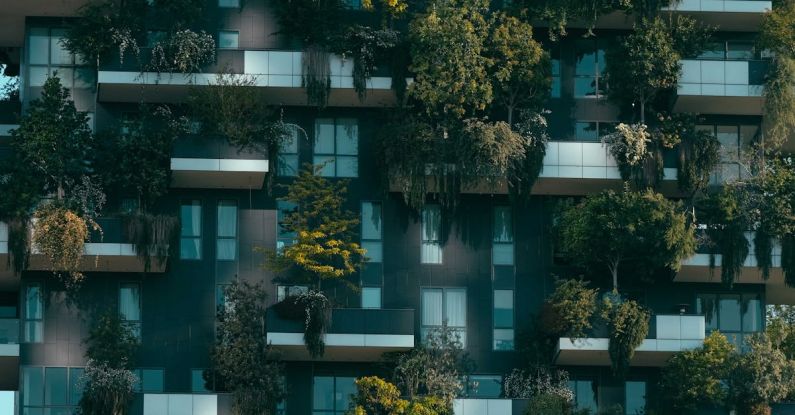
Urban greenery serves as a powerful tool in mitigating environmental challenges faced by cities, such as air and water pollution, urban heat islands, and climate change. Trees, plants, and green infrastructure help absorb carbon dioxide, filter pollutants from the air, and regulate temperatures, thereby reducing the impact of urbanization on the environment. Green roofs, vertical gardens, and permeable pavements are examples of green infrastructure that can be integrated into city planning to enhance sustainability and resilience in the face of climate change.
Furthermore, urban greenery plays a crucial role in biodiversity conservation by providing habitats for wildlife and supporting ecosystem services within urban environments. By preserving and expanding green spaces in cities, urban planners can create interconnected networks of green corridors that facilitate the movement of wildlife and promote ecological balance in urban ecosystems. This integrated approach to city planning not only benefits biodiversity but also enhances the overall resilience of urban areas to environmental challenges.
Fostering Social Cohesion and Community Engagement
The presence of urban greenery has a profound impact on fostering social cohesion and community engagement in cities. Green spaces serve as inclusive gathering places where people from diverse backgrounds can come together, interact, and build social connections. Parks, plazas, and community gardens offer opportunities for community events, cultural activities, and civic engagement, creating vibrant and cohesive neighborhoods within urban settings.
In addition, involving residents in the planning and design of urban green spaces can empower communities and strengthen their sense of ownership and pride in their neighborhoods. Participatory planning processes that prioritize community input and engagement help ensure that green spaces meet the needs and preferences of local residents, promoting a sense of belonging and shared responsibility for the upkeep and maintenance of urban greenery. By fostering social cohesion and community engagement, urban greenery contributes to building resilient and inclusive cities that prioritize the well-being and happiness of their residents.
Embracing Urban Greenery in Future City Planning
As cities continue to grapple with the challenges of rapid urbanization, climate change, and social inequality, the role of urban greenery in city planning has never been more critical. By recognizing the multifaceted benefits of green spaces and integrating them into urban design and development, cities can create more sustainable, resilient, and liveable environments for current and future generations. Embracing urban greenery in city planning is not just a trend but a necessity in building cities that prioritize the well-being of their residents, foster environmental sustainability, and promote social cohesion and community engagement. As we look towards the future of urban development, let us embrace the transformative power of urban greenery in shaping the cities of tomorrow.