Urban areas are often characterized by their bustling streets, towering buildings, and the constant hum of city life. Amidst this fast-paced environment, outdoor public squares stand out as oases of tranquility and community engagement. These open spaces provide a range of benefits that enhance the quality of urban life and foster a sense of connection among residents. From promoting social interactions to improving mental well-being, the presence of outdoor public squares in urban areas plays a crucial role in shaping vibrant and livable cities.
Enhancing Social Interactions
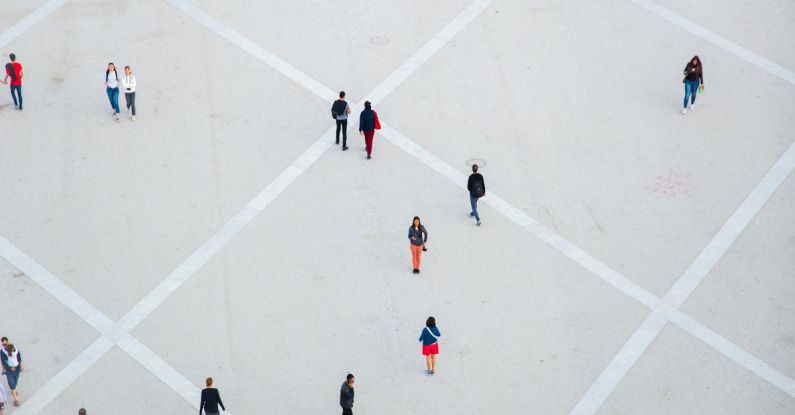
One of the primary benefits of outdoor public squares in urban areas is their ability to enhance social interactions among residents. These spaces serve as gathering points where people from diverse backgrounds can come together to socialize, relax, and engage in various activities. Whether it’s chatting with neighbors on a bench, enjoying a picnic with friends, or participating in community events, public squares create opportunities for meaningful human connections. In a world where digital communication often takes precedence, these physical spaces offer a valuable setting for face-to-face interactions and the development of strong social bonds.
Promoting Physical Activity
Outdoor public squares also play a significant role in promoting physical activity and overall well-being among city dwellers. These open spaces provide opportunities for people to engage in various recreational activities such as jogging, yoga, or simply taking a leisurely stroll. The presence of greenery, seating areas, and pedestrian-friendly pathways encourages individuals to be more active and spend time outdoors, contributing to a healthier lifestyle. By serving as accessible venues for exercise and relaxation, public squares help combat sedentary behavior and support the physical health of urban residents.
Fostering a Sense of Community
In the midst of bustling urban environments, outdoor public squares serve as focal points for fostering a sense of community and belonging. These spaces act as meeting grounds where residents can come together to celebrate cultural events, attend performances, or participate in local initiatives. By hosting communal gatherings and activities, public squares create a shared sense of identity and pride among residents, strengthening the social fabric of urban neighborhoods. The presence of these vibrant community hubs helps cultivate a spirit of unity and cooperation, leading to a more cohesive and resilient urban society.
Improving Mental Well-Being
The benefits of outdoor public squares extend beyond physical health to include mental well-being. These open spaces offer a retreat from the concrete jungle of urban landscapes, providing a natural and peaceful environment for relaxation and contemplation. The presence of greenery, water features, and public art in public squares creates a calming atmosphere that helps reduce stress and anxiety among city residents. Spending time in these tranquil settings can have a rejuvenating effect on the mind, promoting mental clarity, emotional balance, and overall psychological well-being.
Encouraging Economic Growth
Beyond their social and health benefits, outdoor public squares also play a vital role in driving economic growth in urban areas. These vibrant spaces attract visitors, tourists, and local residents, generating foot traffic that can benefit nearby businesses and stimulate economic activity. The presence of public squares can enhance the overall appeal and livability of a neighborhood, increasing property values and attracting investment in commercial and residential developments. By serving as focal points for cultural events, markets, and festivals, public squares contribute to the vitality and economic prosperity of urban communities.
Embracing the Power of Outdoor Public Squares
In conclusion, outdoor public squares are invaluable assets that enrich the urban landscape and enhance the quality of life for city residents. These open spaces serve as hubs for social interactions, physical activity, community engagement, and mental well-being, creating environments that promote connectivity, health, and happiness. By recognizing the importance of public squares in urban planning and design, cities can harness the power of these communal spaces to create more inclusive, vibrant, and sustainable urban environments for all.