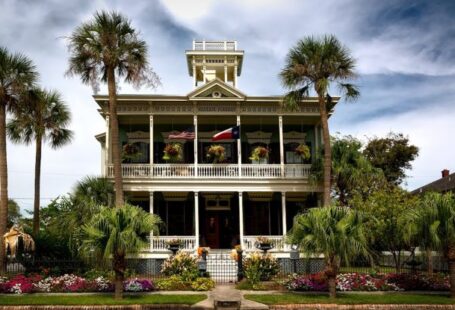

When it comes to preserving historic affordable housing, there are numerous challenges that must be navigated to ensure these valuable resources remain accessible to those in need. As cities grow and evolve, the task of maintaining these properties becomes increasingly complex. From financial constraints to regulatory hurdles, the hurdles faced by those committed to preserving historic affordable housing are multifaceted and require innovative solutions.
Preservation Costs and Funding Sources
One of the primary challenges in maintaining historic affordable housing is the high cost associated with preservation efforts. Unlike newer developments, historic properties often require specialized care and materials to ensure their longevity. Restoration projects can be expensive, and finding the necessary funding to cover these costs can be a significant hurdle for property owners and developers. Additionally, ongoing maintenance expenses for historic buildings can be higher due to the need for specialized expertise and materials.
Limited Resources and Competing Priorities
Another challenge in maintaining historic affordable housing is the limited resources available for preservation efforts. Nonprofit organizations and government agencies that work to protect these properties often face competing priorities and must allocate their resources strategically. Balancing the needs of multiple historic buildings while also addressing other community needs can be a difficult juggling act. As a result, some properties may not receive the attention they require, putting their long-term viability at risk.
Regulatory Constraints and Compliance
Navigating regulatory constraints and compliance requirements is another significant challenge in maintaining historic affordable housing. Historic properties are often subject to strict preservation guidelines and regulations that can impact renovation and maintenance projects. Meeting these requirements while also ensuring the property remains affordable can be a complex and time-consuming process. Additionally, changes in zoning laws or building codes can present additional challenges for property owners seeking to maintain historic affordable housing.
Community Engagement and Support
Community engagement and support are crucial components of successfully maintaining historic affordable housing. Building a coalition of stakeholders who are committed to preserving these properties can help ensure their long-term sustainability. However, garnering community support for preservation efforts can be challenging, particularly in neighborhoods facing rapid gentrification or development pressures. Engaging residents, local businesses, and advocacy groups in the preservation process is essential for overcoming these obstacles.
Rising Property Values and Displacement
As property values in urban areas continue to rise, the threat of displacement looms large for residents of historic affordable housing. Gentrification and real estate speculation can put pressure on property owners to sell or redevelop their buildings, displacing low-income tenants in the process. Balancing the need to maintain affordable housing with the economic realities of the real estate market is a delicate dance that requires foresight and strategic planning.
Preservation Strategies and Partnerships
Despite these challenges, there are strategies and partnerships that can help address the complexities of maintaining historic affordable housing. Collaborating with local government agencies, nonprofit organizations, and preservation experts can provide valuable resources and expertise to support preservation efforts. Leveraging tax incentives, grants, and other financial tools can also help offset the costs of maintaining historic properties. By developing creative solutions and engaging with stakeholders, those committed to preserving historic affordable housing can overcome the challenges they face and ensure these valuable resources remain accessible for generations to come.
In conclusion, the challenges of maintaining historic affordable housing are significant but not insurmountable. By addressing preservation costs, navigating regulatory constraints, engaging with the community, and developing strategic partnerships, those working to protect these properties can overcome obstacles and ensure their continued viability. Preserving historic affordable housing is essential for maintaining the fabric of our communities and providing stable, affordable housing options for all residents. By recognizing and addressing the challenges associated with this important work, we can create a more inclusive and sustainable future for all.