
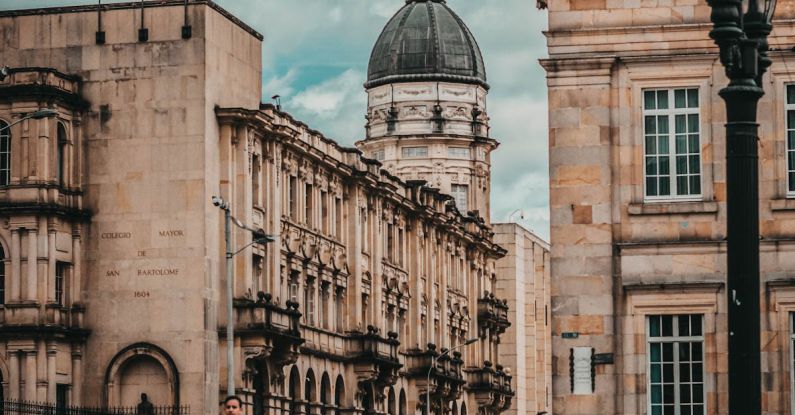
Public plazas are the heart of a community, serving as gathering spaces where people come together to socialize, relax, and engage in various activities. The design and layout of a public plaza play a crucial role in shaping the overall experience of the space and its ability to foster community gatherings. What makes a great public plaza for community gatherings? Let’s delve into the key elements that contribute to creating vibrant and inviting public spaces that bring people together.
**Location and Accessibility**
One of the fundamental aspects of a great public plaza is its location. Plazas situated in the heart of a city or a neighborhood, easily accessible by foot, bike, or public transportation, tend to attract more people. A central location enhances the visibility and connectivity of the plaza, making it a natural gathering spot for residents and visitors alike. Additionally, ensuring that the plaza is ADA accessible is essential for inclusivity and accommodating individuals with mobility challenges.
**Design and Layout**
The design and layout of a public plaza can significantly impact its functionality and appeal as a community gathering space. A well-designed plaza incorporates a mix of open areas for events and gatherings, as well as more intimate spaces for relaxation and contemplation. Thoughtful landscaping, including greenery, trees, and flowers, can enhance the aesthetic appeal of the plaza and provide shade and comfort for visitors. The inclusion of seating options, such as benches, chairs, and tables, encourages people to linger and socialize, contributing to the sense of community.
**Programming and Events**
An essential aspect of a successful public plaza is the availability of programming and events that cater to a diverse range of interests and age groups. Regular events such as farmers’ markets, concerts, festivals, and cultural performances can draw people to the plaza and create a lively and engaging atmosphere. Providing space for community-led activities and initiatives, such as art installations, pop-up markets, or fitness classes, can further enrich the experience of the plaza as a hub for social interaction and cultural exchange.
**Public Amenities**
Public plazas that offer essential amenities enhance the overall experience for visitors and make the space more inviting and functional. Amenities such as public restrooms, drinking fountains, bike racks, and public art installations contribute to the comfort and convenience of users. The availability of amenities like food vendors, food trucks, and outdoor seating areas can also enhance the plaza’s appeal and encourage people to spend more time in the space.
**Safety and Security**
Creating a safe and secure environment is paramount to the success of a public plaza as a community gathering space. Well-lit pathways, visible signage, and clear sightlines help to enhance the sense of safety and comfort for visitors. Implementing security measures, such as surveillance cameras, regular patrols, and emergency call boxes, can further ensure the well-being of individuals using the plaza. Engaging with local law enforcement and community organizations to develop safety protocols and emergency response plans is crucial for maintaining a welcoming and secure public space.
**Engagement and Community Involvement**
A great public plaza is one that actively engages with the community and involves residents in the planning, design, and programming of the space. Seeking input from local stakeholders, hosting community meetings, and conducting surveys can help gather valuable insights and feedback to inform the development of the plaza. Collaborating with local businesses, organizations, and artists to curate events and activities fosters a sense of ownership and pride among community members, strengthening the plaza’s role as a vibrant and inclusive gathering place.
**Inclusivity and Diversity**
Promoting inclusivity and diversity is essential for creating a welcoming and equitable public plaza that serves the needs of all community members. Designing the plaza with universal accessibility in mind, providing multilingual signage and interpretation services, and offering diverse programming that reflects the cultural and demographic diversity of the community are key strategies for fostering an inclusive environment. Celebrating cultural heritage, traditions, and identities through events, performances, and public art installations can help create a sense of belonging and unity among diverse groups of people.
**Sustainability and Resilience**
Incorporating sustainable design practices and environmentally friendly features into the planning and management of a public plaza is essential for ensuring its long-term viability and resilience. Using native plants, green infrastructure, energy-efficient lighting, and water-saving technologies can reduce the environmental impact of the plaza and contribute to its overall sustainability. Implementing strategies for waste reduction, recycling, and composting, as well as promoting eco-friendly transportation options, such as biking and walking, can further enhance the plaza’s sustainability and promote a culture of environmental stewardship within the community.
**Embracing Technology**
Embracing technology can enhance the visitor experience and connectivity of a public plaza, making it more interactive, engaging, and accessible. Providing free Wi-Fi, interactive digital displays, and mobile apps for wayfinding and event notifications can help visitors navigate the plaza and stay informed about upcoming activities. Utilizing social media platforms and online engagement tools to promote events, gather feedback, and foster community dialogue can strengthen the plaza’s online presence and outreach efforts, connecting with a broader audience and enhancing community engagement.
**Cultivating a Sense of Place**
A great public plaza is one that captures the unique character, history, and identity of its location, creating a sense of place that resonates with residents and visitors. Incorporating elements of local culture, art, and heritage into the design and programming of the plaza can help establish a distinct identity and narrative that reflects the spirit of the community. Celebrating local traditions, stories, and landmarks through public art, performances, and interpretive signage can deepen the connection between people and place, fostering a sense of pride and belonging in the public plaza as a shared community space.
**Sustainable Funding and Management**
Securing sustainable funding sources and establishing effective management and stewardship practices are essential for the long-term success and vitality of a public plaza as a community gathering space. Developing partnerships with local government agencies, nonprofit organizations, philanthropic foundations, and businesses can help support the ongoing maintenance, programming, and improvement of the plaza. Implementing transparent governance structures, engaging with stakeholders in decision-making processes, and developing a robust management plan that outlines roles, responsibilities, and performance metrics can ensure the efficient operation and positive impact of the plaza within the community.
**Building Community Resilience**
Building community resilience is crucial for ensuring the continued relevance and adaptability of a public plaza in the face of social, economic, and environmental challenges. Creating opportunities for community members to participate in disaster preparedness training, emergency response drills, and resilience-building initiatives can help strengthen the plaza’s role as a safe haven and resource hub during times of crisis. Collaborating with local emergency management agencies, community organizations, and volunteers to develop resilience plans, establish communication protocols, and coordinate response efforts can enhance the plaza’s capacity to support the well-being and recovery of the community in times of need.
**Conclusion: Fostering Connections and Strengthening Communities**
In conclusion, what makes a great public plaza for community gatherings is a combination of thoughtful design, inclusive programming, sustainable practices, and community engagement that fosters connections, celebrates diversity, and strengthens the social fabric of the community. By creating inviting, accessible, and vibrant public spaces that reflect the unique character and needs of the community, we can cultivate a sense of belonging, promote social interaction, and enhance the quality of life for all residents. Public plazas serve as vital gathering spots where people can come together, share experiences, and create lasting memories, shaping the identity and resilience of our communities for generations to come.